


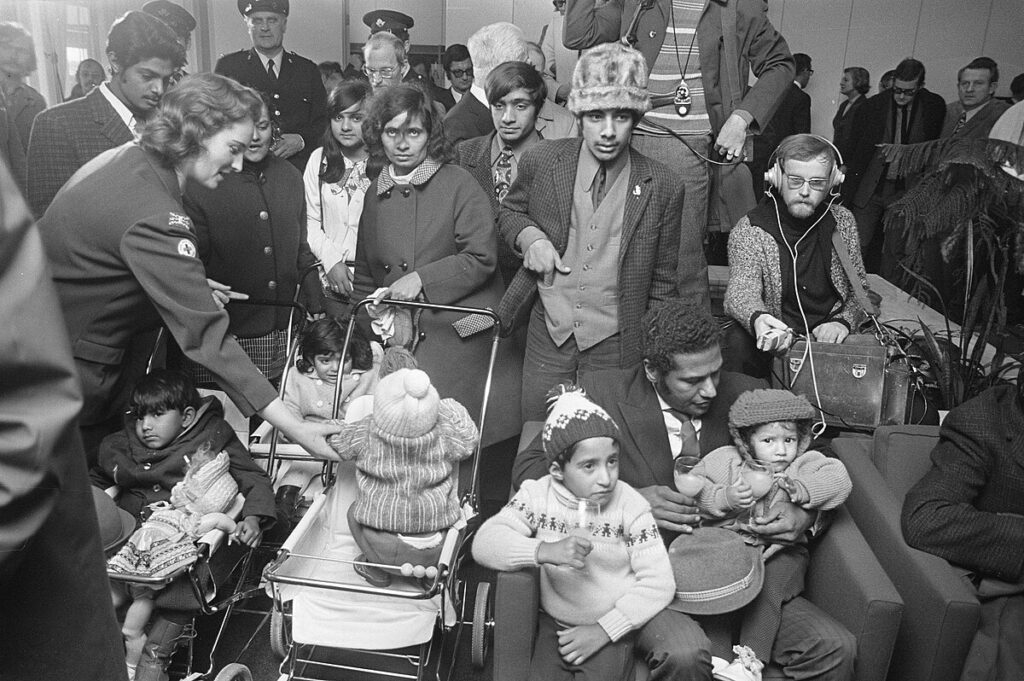
The history of refugees stretches back thousands of years, perhaps to the dawn of humanity. Natural disasters, wars, and persecution have always forced people to leave their homelands and seek refuge elsewhere. Their reception has varied—sometimes they are welcomed with compassion, other times rejected or feared. Historically, refugees who resemble the host population in culture, religion, or appearance tend to be more easily accepted.
Today, according to the UNHCR, there are over 43 million refugees and asylum seekers worldwide. Many come from the Middle East, Latin America, and Africa, often seeking safety in neighboring countries, Europe, or the United States. This movement has created what many describe as a “refugee crisis,” particularly where cultural and social differences lead to friction.
Integration challenges are common, especially when refugees arrive from cultures very different from the host society—for example, Muslim immigrants in the West. Concerns also include the risk of crime, the economic burden of hosting large numbers, and fears about security.
At the same time, there are strong arguments in favor of accepting refugees. On humanitarian grounds, many believe wealthier nations have a moral responsibility to protect vulnerable populations. Also, economically, refugees can help fill labour shortages, take on jobs less attractive to citizens in wealthier countries, and contribute to national growth over time.
While a lot of the people complaining about refugees undoubtedly come from a negative place full of prejudice and ethnic bias, there are legitimate criticisms to be made about certain refugees. Refugees genuinely do sometimes clash with the cultures of the places they move to in undeniable and unignorable ways. Refugees coming from places where harmful practices and beliefs are the norm, who then bring these practices to other countries and try to enforce them in those countries, is a very problematic situation that happens too often. There is also the problem of crime that some refugees bring, and sometimes the economic benefits are not really worth it.
So, while some people do criticize refugees from a point of prejudice and bias, I think that we shouldn’t ignore the needs and opinions of the natives of whatever land any group of refugees is moving to when we try to help those refugees. While many refugees contribute positively, instances of them refusing to integrate, committing crimes, or heavily relying on welfare systems can fuel resentment among host populations.
Personally, I don’t think that there is a single answer to this issue. A lot of emotion is involved on both sides, and there doesn’t seem to be an entirely objective way to look at the issue free from some level of emotion or bias. There is probably no one way to please everybody on all sides. However, I believe that it is very important to take into consideration the economic capacity of the country, the cultural differences of the refugees – and how willing or likely they are to integrate – and the opinions of the general population of the native country before making any decision about refugees or immigrants at large. At the end of the day, any government’s job is to make their own citizens happy first before outsiders.
Looking ahead, global economic development will most likely ease some of the crisis. As more developing regions grow economically stronger, fewer people may feel compelled to flee long distances to Europe or North America. Instead, they may find refuge in more stable neighbouring countries. Still, the displacement of humans from their native lands is unlikely ever to disappear entirely, and we should all continue to come together for better solutions.
By J.O.