


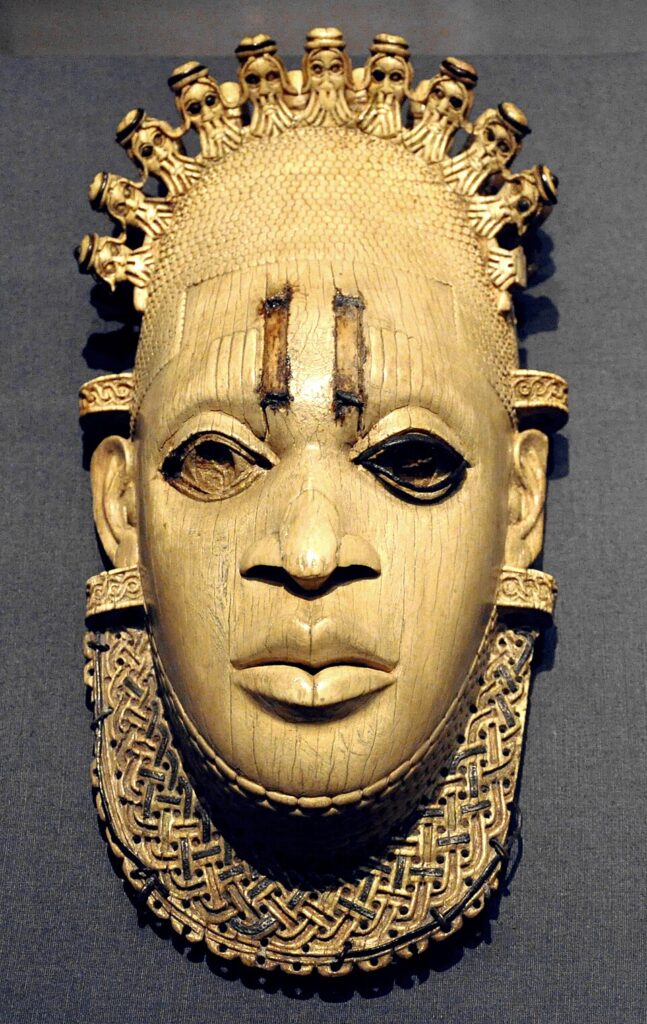
Cultural transmission requires physical heritage access. When objects are removed, tied knowledge and practices erode. Younger generations grow disconnected, unable to experience heritage as lived reality. This disruption was deliberate colonial strategy.
From a humanist perspective, cultural identity is fundamental to dignity and flourishing. Every generation has the right to inherit and build upon ancestral achievements. When museums hold objects against descendant wishes, they deny intergenerational inheritance, severing bonds connecting past, present, and future.
Case Study: Benin Royal Ancestors and Spiritual Disconnection
Benin Bronzes include altarpieces honoring Obas and ancestors. In Edo culture, these were active spiritual presences, not “art.” Rituals and prayers were directed through these objects, maintaining relationships between living and dead. Plaques recorded royal succession, documenting lineages and legitimizing authority.
The 1897 British looting severed centuries-old religious practices. Specific ceremonies required particular objects now scattered across museums. The current Oba and Edo people cannot perform certain ceremonies without these objects. Repatriation requests meet responses that objects must remain “preserved” behind glass, prohibiting ceremonial use—a form of religious persecution.
Young Edo people cannot experience heritage as living religion. They see ancestors’ images in catalogs but cannot stand before them in sacred contexts, participate in connecting rituals, or receive the knowledge that physical presence makes possible. Heritage becomes observed from a distance rather than lived and transmitted.
Case Study: Indigenous Protocols and Sacred Objects
Māori communities fought decades to repatriate toi moko – preserved ancestor heads in European museums. For Māori, these were ancestors requiring proper burial, not “artifacts.” Museums initially resisted, claiming scientific and educational value justified retention.
This reveals a fundamental conflict between Western materialist ontologies and indigenous knowledge systems. Museums view objects as material items to preserve and study. But many African communities, like Māori, understand certain objects as living relations or spiritually active beings — sites where spiritual power resides.
Museum refusal to repatriate imposes Western frameworks on non-Western peoples, denying Indigenous ontological validity. They assert that their understanding of what objects are supersedes originating community understandings. This epistemic violence compounds original theft, denying not only physical objects but authority to define reality itself.
The Psychological Impact
What does it mean for young Africans to visit their heritage as tourists, paying admission to see ancestral creations while strangers explain their forebears? The message is: “Your past belongs to us. We are its proper custodians. You may visit on our terms”.
This reinforces colonial narratives of African incapacity and European superiority — that African heritage is safer, better preserved, more valued in Europe. That Europeans can be trusted while Africans cannot. That African culture’s proper home is European institutions.
Young Africans internalize these messages, developing ambivalent heritage relationships. Cultural confidence erodes across generations. Identity becomes something recovered from foreign archives rather than directly inherited. Object theft becomes belonging theft.
Dignity requires ownership, not visitation rights. Until Africans experience heritage in their own lands, under their own authority, through their own institutions, identity and continuity severing continues.
THE HUMANIST FRAMEWORK
Human Dignity and Self-Determination
Humanism affirms inherent worth and agency of all people. Dignity requires capacity to define oneself, control one’s narrative, and access heritage without seeking permission from thieves. Museums holding African objects against African wishes deny African agency, treating descendant communities as supplicants rather than rightful owners.
“Loaning” objects back exemplifies self-determination denial. Loans imply European ownership remains, that Africans may temporarily borrow what was stolen, that former colonizers retain ultimate authority. This perpetuates colonial relationships, ensuring African access depends on European generosity rather than African rights.
Epistemic Justice
African heritage knowledge production must be African-led. The current system – Europeans researching African objects, publishing without African collaboration, positioning themselves as authorities – constitutes epistemic injustice, denying African scholars their right to be primary authors of African knowledge.
Epistemic justice requires African institutions as heritage custodians, African scholars leading interpretation and analysis, and research through genuine partnership rather than extraction. Repatriation is necessary but insufficient – knowledge systems must be restored alongside physical objects.
Intergenerational Justice
Current generations hold obligations to ancestors and descendants. To ancestors: honor and respect for their creations. To descendants: transmit intact cultural heritage, not fragments mediated through oppressor institutions.
Museums claim preservation for “future generations”, but which? European tourists in London and Paris, or African inheritors in Lagos and Addis Ababa? True preservation means returning objects to communities that created, cherish, and can transmit them across generations.
Conclusion
African cultural heritage theft extends far beyond physical removal during colonial conquests. When European forces looted Benin Bronzes, Ethiopian manuscripts, and Asante regalia, they seized knowledge systems, cultural authority, and generational continuity. Museums perpetuate this theft today by extracting research value, narrating African history to global audiences, and denying African communities the right to control their heritage.
This analysis examined three dispossession dimensions:
- knowledge system theft: museums conduct research generating publications and prestige while African scholars face barriers studying their own traditions
- cultural authority theft: European curators classify, interpret, and narrate African culture, positioning former colonizers as definitive voices
- identity and continuity theft: looted objects sever spiritual practices, disrupt cultural transmission, and disconnect young Africans from ancestral creations
Each dimension reveals ongoing rather than historical injustice. Every day that African artifacts remain in European museums, knowledge extraction continues, narrative control persists, and generational bonds remain broken. Economic benefits flow to European institutions. Psychological messages of African incapacity are reinforced. African communities’ capacity to transmit culture across generations is diminished.
Until African museums house African heritage, until African scholars lead research on African knowledge systems, until young Africans can touch their ancestors’ creations without boarding flights to Europe, the theft continues.
By Kenneth Eze