


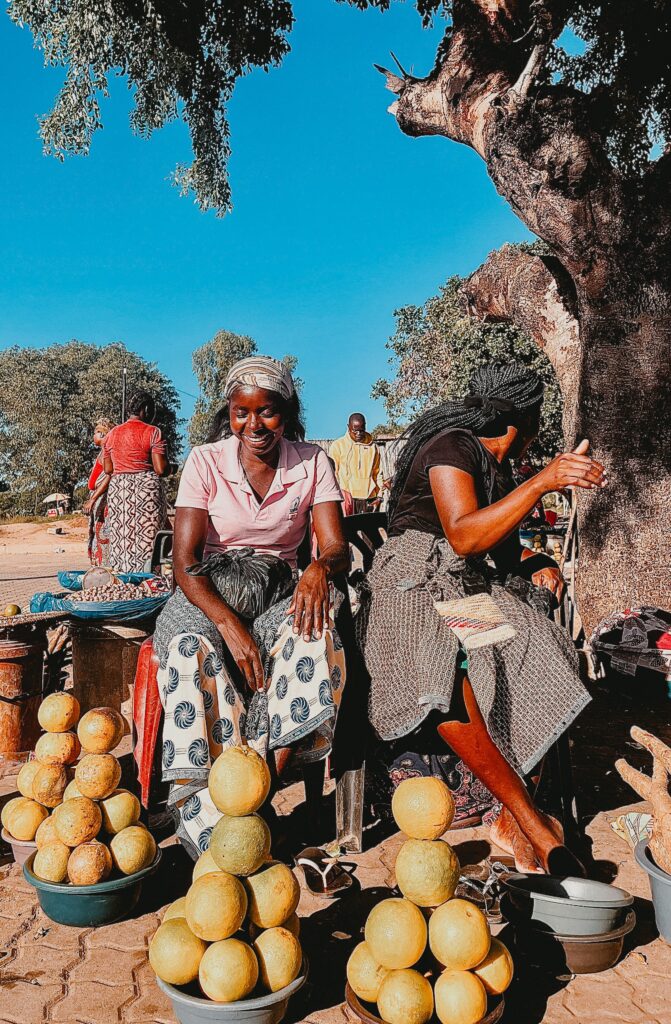
The first light of dawn often arrives long before the rest of the world awakens. Across Africa, millions of women are already on their feet before sunrise. A mother walks several kilometres to collect water before preparing her children for school. A farmer tends her crops before the day’s heat sets in. A nurse begins another shift in an understaffed rural clinic. A market vendor arranges her produce, hoping that today’s sales will be enough to feed her family. Elsewhere, a young woman studies by candlelight because electricity is unreliable, believing education may change not only her future but that of her entire community.
These women are separated by geography, language, religion, culture, and circumstance. Yet they are connected by something deeper: an extraordinary capacity to endure, adapt, and lead despite the obstacles placed before them.
The Weight Women Carry
Across much of Africa, women remain the backbone of families and communities. They cultivate land, operate small businesses, care for children and older relatives, educate the next generation, and contribute significantly to local economies. Their labour, both paid and unpaid, sustains households and societies alike.
Yet many continue to shoulder unequal burdens.
In some communities, girls are still expected to leave school early to help at home or enter marriage before they are emotionally or physically ready. Limited educational opportunities reduce future employment prospects and reinforce cycles of poverty. For many women, access to healthcare remains inconsistent, particularly in rural areas where clinics are distant, under-resourced, or difficult to reach.
Gender-based violence remains another painful reality. Whether occurring within homes, schools, workplaces, or during armed conflict, violence against women continues to undermine health, security, and opportunity. Harmful traditional practices, unequal inheritance rights, and persistent social expectations can further restrict women’s choices and independence.
These challenges are not universal, nor are they experienced equally. Africa is a continent of immense diversity, and women’s lives vary across countries, communities, and generations. Nevertheless, structural inequalities continue to affect millions.
Climate, Technology, and New Inequalities
Africa is also confronting challenges that disproportionately affect women in less visible ways.
Climate change is altering rainfall patterns, increasing droughts, intensifying floods, and reducing agricultural productivity in many regions. As women often bear primary responsibility for collecting water, growing food, and caring for families, environmental pressures increase both physical workloads and economic insecurity.
Meanwhile, the digital revolution has created new opportunities while exposing existing inequalities. Access to affordable internet, digital devices, and technological education remains uneven. Many girls and women are excluded from digital spaces that increasingly shape education, employment, business, and civic participation.
Closing these digital divides is not merely a technological issue; it is an investment in equal opportunity.
Signs of Hope
Despite continuing challenges, there are many reasons for optimism.
Across Africa, women are leading businesses, conducting scientific research, serving in government, advancing peace negotiations, defending human rights, and creating innovative solutions to local challenges. Women-led organisations continue to strengthen communities through education, healthcare, environmental protection, and humanitarian work.
Young African women are increasingly entering universities, founding technology companies, producing influential literature, and shaping public conversations through journalism, art, and social media. Their achievements challenge outdated assumptions about gender roles and expand opportunities for future generations.
Perhaps most importantly, countless acts of leadership occur far from public attention. They happen in classrooms, community centres, refugee settlements, hospitals, farms, and family homes. Leadership is not defined only by public office; it is also found in the daily decisions that strengthen communities through compassion, responsibility, and courage.
Looking Ahead
Whenever I think about the future of African women, I remember the many women whose quiet determination has shaped my understanding of humanity. I think of mothers who continue to nurture hope despite displacement, teachers who inspire children with limited resources, entrepreneurs who rebuild after hardship, and young girls whose dreams refuse to be confined by circumstance.
Their stories remind us that Africa’s greatest resource has never been its minerals, forests, or rivers. It has always been its people.
If we are serious about building peaceful, prosperous, and inclusive societies, we must invest in the education, health, leadership, safety, and freedom of women and girls. We must listen to their voices, value their experiences, and create environments where they can thrive without fear or discrimination.
The future of Africa will not be determined only by economic growth or political reform. It will also be shaped by whether every woman can live with dignity, realise her potential, and participate fully in the life of her community.
When African women flourish, Africa flourishes with them. And when we uphold the dignity of every woman, we strengthen the humanity of us all.
By Abraham Kasisi Jn.