


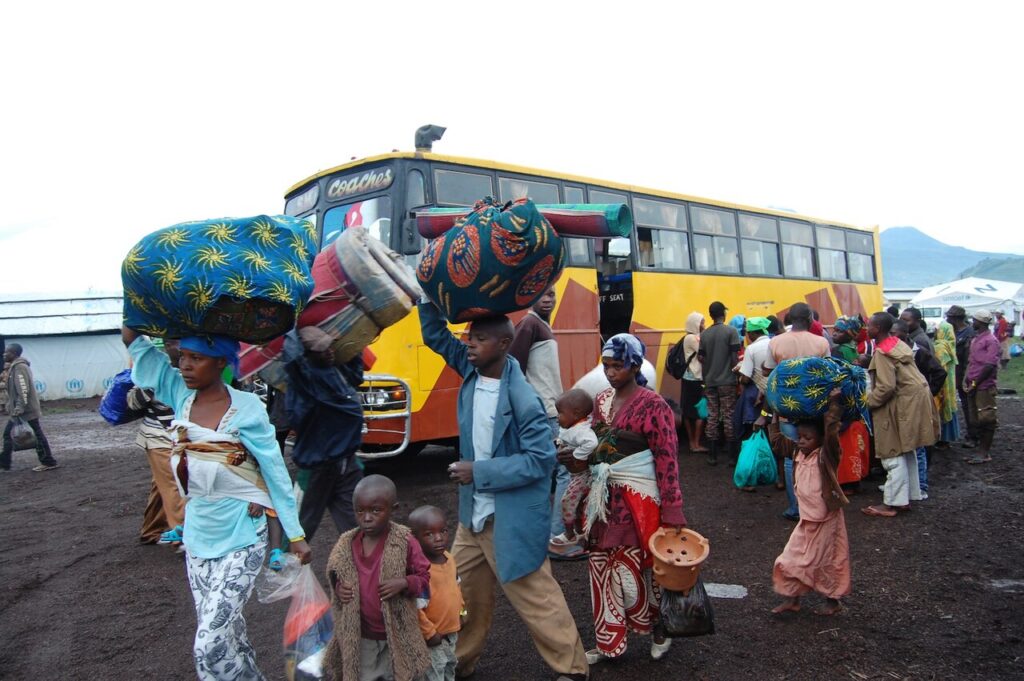
When conversations turn to Africa’s development, women are often described through statistics maternal mortality rates, literacy levels, labour force participation, or poverty indices. These figures are important because they reveal patterns and guide policy. Yet they rarely capture the determination of a widow rebuilding her life after conflict, the courage of a girl insisting on finishing school despite pressure to marry early, or the resilience of a refugee mother comforting her children while facing an uncertain future.
Numbers tell us what is happening. Stories help us understand why it matters.
As a Humanist, I believe every human being possesses inherent dignity and deserves the freedom to live, learn, and flourish without discrimination. That belief has been strengthened through my own experiences living and working alongside displaced communities in East Africa. I have witnessed hardship that no one should endure, but I have also witnessed remarkable examples of compassion, leadership, and hope many of them embodied by women whose contributions often go unnoticed.
Forms of Discrimination
Progress cannot be measured solely by improvements for the majority. It must also be judged by how societies treat those who face multiple forms of discrimination.
Women living with disabilities frequently encounter barriers to education, employment, healthcare, and public participation. Refugee women often experience overlapping vulnerabilities linked to displacement, poverty, and insecurity. Women living with HIV continue to confront stigma despite significant medical advances.
LGBTQIA+ women across parts of Africa face additional risks arising from criminalisation, social exclusion, and violence. In several countries, sexual orientation or gender identity can lead to family rejection, homelessness, arbitrary arrest, or forced displacement. These experiences often remain invisible because many women fear speaking openly about who they are.
When Displacement Changes Everything
Conflict has forced millions of Africans from their homes, and women often bear the greatest consequences of displacement.
Having lived within refugee communities, I have seen women who have fled war, persecution, and political instability arrive carrying little more than their children and hope. Displacement strips away familiar routines, livelihoods, and support networks. Suddenly, women become providers, caregivers, counsellors, and protectors, all while navigating unfamiliar environments.
Refugee women face heightened risks of exploitation, food insecurity, interrupted education, and limited access to healthcare. Many have survived unimaginable trauma yet continue to place the wellbeing of their families before their own.
Among refugee communities, I have often observed an extraordinary culture of mutual care. When humanitarian assistance arrives, many women instinctively ask who has received the least rather than who deserves the most. They share food, comfort grieving neighbours, organise childcare, and support those living with illness or disability.
These quiet acts rarely make headlines, yet they represent some of the most profound expressions of leadership I have ever witnessed.
Beyond Resilience
African women are frequently praised for their resilience. While this admiration is well deserved, resilience should never become an excuse for accepting injustice.
No woman should have to demonstrate extraordinary strength simply to access education, healthcare, safety, or equal opportunities.
The goal should not be to celebrate survival alone, but to create societies where survival is no longer the greatest achievement available.
This requires governments committed to gender equality, schools that encourage girls to pursue their ambitions, healthcare systems that reach underserved communities, legal protections against discrimination and violence, and economic policies that expand opportunities for women entrepreneurs and workers.
It also requires men and boys to become active partners in challenging harmful stereotypes and promoting equality within families, workplaces, and communities.
A Humanist Vision for Africa’s Future
Humanism offers a hopeful framework for thinking about Africa’s future because it begins with a simple but profound principle: every person matters.
It calls us to evaluate societies not by wealth or political influence alone, but by how they protect human dignity, promote equality, and expand opportunities for all.
Advancing the rights of women is not about granting special privileges. It is about removing barriers that have prevented millions from contributing fully to their communities and countries.
Education, healthcare, economic participation, freedom from violence, and equal legal protection should never depend upon gender.
These are not ideals reserved for prosperous nations. They are universal human rights.
A truly just Africa must be one in which every woman regardless of disability, ethnicity, religion, refugee status, or sexual orientation can live with dignity and safety.
By Abraham Kasisi Jr.