


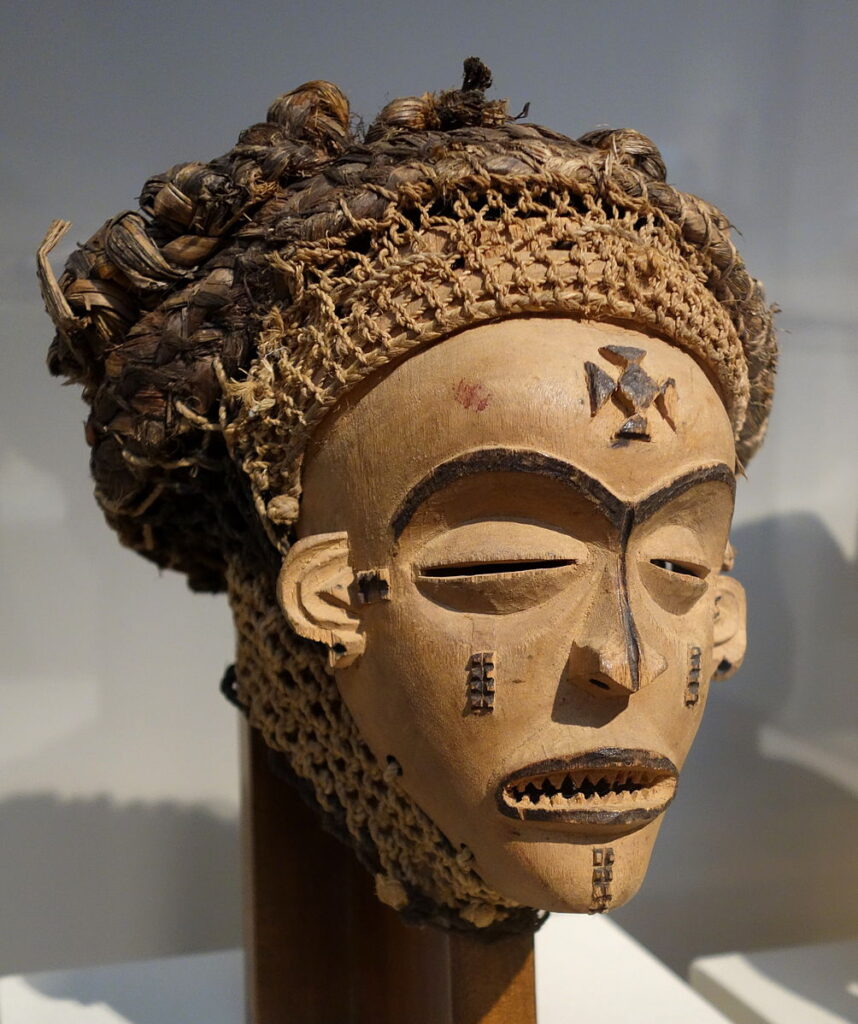
In museums across Europe and North America, African artifacts sit quietly behind glass,masks, sculptures, royal regalia, tools, and sacred objects carefully preserved and beautifully displayed. Visitors admire their craftsmanship, take photographs, and move on. Yet what often remains unspoken is that these objects are not only art or history. They are fragments of human lives beliefs, rituals, authority, and relationships violently interrupted. To speak of Africa’s stolen artifacts, therefore, is not merely to speak of culture or ownership, but of humanity itself.
At the heart of this issue lies a simple but demanding question: what does it mean to respect human dignity in a world still shaped by the inequalities of history?
Humanism and the Measure of Dignity
Humanism begins with a fundamental truth, all people share a common dignity and deserve equal respect. Seen through this lens, the story of Africa’s stolen artifacts becomes deeply unsettling. It reveals a historical order in which some lives, memories, and cultures were treated as less worthy of care than others. This hierarchy did not disappear with the end of colonial rule; it persists quietly in how African artifacts are displayed, defended, and withheld today.
When African heritage is discussed primarily in terms of aesthetics, market value, or institutional prestige, the human dimension is often lost. Yet these objects were never created to be admired in isolation. They were made to be used, revered, inherited, and remembered within living communities. To detach them from those communities is to strip them of their full meaning.
Objects Taken, Humanity Diminished
Colonialism did not only conquer land and labor; it conquered meaning. A mask was not simply carved wood it embodied spirit, identity, and communal responsibility. A royal stool, drum, or crown was not decoration it symbolized authority, continuity, and moral order. When such objects were taken, something profoundly human was dismissed.
The removal of African artifacts was justified by ideologies that ranked civilizations and declared Africa inferior or incomplete. Within this worldview, African humanity could be studied, classified, and possessed. Cultural theft became acceptable because those who suffered it were not seen as equals.
To deny a people access to their cultural heritage is to deny part of their humanity. It sends an implicit message: that their relationship to their own past matters less than the comfort, authority, or tradition of institutions elsewhere.
Museums and the Moral Question
Museums often present themselves as neutral spaces of education and preservation. Yet neutrality is itself a moral position especially when it masks injustice. Displaying African artifacts without honestly acknowledging the violence, coercion, or imbalance through which they were acquired risks turning human suffering into background silence.
The central question is not simply, “Who can best preserve these objects?” but rather, “Who was harmed when they were taken, and how can that harm be addressed?” Preservation without justice is incomplete. Knowledge without empathy is hollow.
Humanism asks museums, scholars, and audiences alike to look beyond glass cases and catalog descriptions, and to recognize the people whose histories were disrupted so that these collections could exist.
A Living Connection, Not a Dead Past
African artifacts are often treated as remnants of a finished past. In reality, many belong to living traditions. They connect generations to ancestors, values, and shared memory. Their absence forces communities to reconstruct identity from fragments.
In East Africa including Uganda cultural objects taken during colonial rule carried moral teachings, political legitimacy, and communal wisdom. Their removal weakened systems of transmission through which values, authority, and belonging were passed on. This loss is rarely acknowledged in debates that focus narrowly on legality or museum policy.
Humanism reminds us that culture is not abstract. It is lived, felt, and carried forward. Returning artifacts is not simply about correcting historical records; it is about restoring relationships between people and their past, between memory and meaning.
Repatriation as Recognition
The growing calls for repatriation reflect a deeper desire for recognition. To return artifacts is to say, we see you, and we acknowledge that what was taken mattered. It affirms that African cultures are not raw material for global consumption, but expressions of human creativity equal to any other.
Opponents of restitution often argue that returning artifacts will impoverish global culture. A humanist response asks a different question: whose culture has already been impoverished, and for how long? Global culture does not diminish when justice is done it deepens. Shared humanity is strengthened when relationships are based on respect rather than possession.
Repatriation also opens the door to new forms of dialogue: not one-sided ownership, but cooperation, exchange, and mutual learning on more equal terms.
Choosing Humanity Over Habit
The continued retention of stolen artifacts is often defended in the language of tradition, legality, or practicality. But humanism challenges us to question habits built on injustice. Laws and institutions are human creations; they can and must change when they fail to uphold human dignity.
Returning African artifacts will not erase the pain of the past. But refusing to return them prolongs it. Humanity is measured not only by what we admire, but by what we are willing to give back once harm is recognized.
Closing Reflections
As we step into 2026, I extend heartfelt wishes to all readers, subscribers, and supporters a Happy New Year marked by dignity, empathy, and renewed commitment to justice. The conversation in this essay will continue into 2026, carrying forward an urgent call to rethink our shared humanity and the responsibilities it places upon us all.
On 15 January 2026, Uganda will go to the polls . At this pivotal moment, we appeal for peace, fairness, and unwavering respect for human rights. May the electoral process be guided by the rule of law, ensuring transparency, accountability, and a just transition of power. A peaceful election is not merely a political event; it is a moral statement a reflection of our collective belief in democracy, dignity, and the equal worth of every human voice.
As we begin this new year, let us do so with courage and compassion. Let us choose humanity over division, justice over silence, and solidarity over indifference.
Happy New Year 2026 and may peace prevail in Uganda, in Africa, and across our shared world.
By Kasisi Abraham Jr