


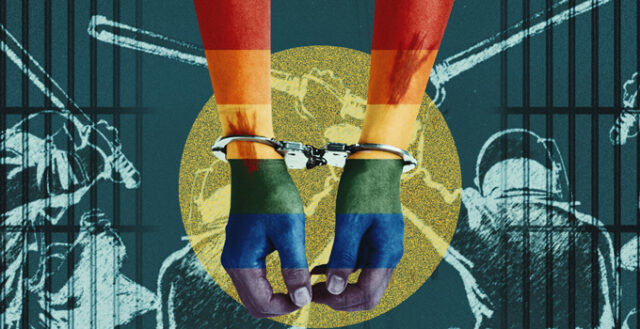
Corruption is a pervasive issue in many African countries, affecting various aspects of life, including governance, economy, and human rights. For LGBTQI+ individuals, corruption can have a disproportionate impact, exacerbating existing vulnerabilities and challenges. This article explores the impact of corruption on LGBTQI+ individuals in Africa, highlighting specific challenges, limitations, and potential ways forward.
Specific Challenges
Discrimination and Persecution: Corruption can enable discriminatory practices and persecution of LGBTQI+ individuals, particularly in countries where same-sex relationships are criminalized. This can lead to arbitrary arrests, detention, and even violence against LGBTQI+ individuals.
Limited Access to Services: Corruption can limit access to essential services – including healthcare and education – for LGBTQI+ individuals, further marginalizing them. LGBTQI+ individuals may face significant barriers in accessing healthcare services, including HIV/AIDS treatment and prevention.
Increased Vulnerability: Corruption can increase the vulnerability of LGBTQI+ individuals to violence, exploitation, and abuse, particularly in countries with weak rule of law. LGBTQI+ individuals may be more likely to experience violence, harassment, and intimidation, particularly if they are open about their sexual orientation or gender identity.
Limitations and Way Forward
Weak Institutions: Weak institutions and lack of effective governance can enable corruption and discrimination against LGBTQI+ individuals. Strengthening institutions and promoting good governance can help to address corruption and promote the rights of LGBTQI+ individuals. This can include supporting reforms to laws and policies that discriminate against LGBTQI+ individuals.
Social and Cultural Norms: Deep-seated social and cultural norms can perpetuate discrimination and persecution of LGBTQI+ individuals, making it challenging to address corruption and promote progress. Promoting awareness and education about LGBTQI+ issues can help to challenge discriminatory norms and promote empathy and understanding. This can include supporting public awareness campaigns and education programs.
Lack of Data: Limited data and research on LGBTQI+ issues can make it difficult to understand the impact of corruption and develop effective solutions. Conducting research and collecting data on LGBTQI+ issues can help to inform policy and programming.
Support LGBTQI+ Organizations: Supporting LGBTQI+ organizations and advocacy efforts can help to amplify the voices of LGBTQI+ individuals and promote their rights. This can include providing funding and technical assistance to LGBTQI+ organizations.
Country-Specific Analysis
In many African countries, corruption and discrimination against LGBTQI+ individuals are significant challenges. For example:
– In Uganda, the Anti-Homosexuality Act has been criticized for promoting discrimination and persecution of LGBTQI+ individuals.
– In South Africa, despite constitutional protections, LGBTQI+ individuals continue to face significant challenges, including violence and discrimination.
Conclusion
Corruption and discrimination against LGBTQI+ individuals are significant challenges in many African countries. Addressing these challenges will require a comprehensive approach, including strengthening institutions, promoting awareness and education, and supporting LGBTQI+ organizations. By promoting the rights of LGBTQI+ individuals, African countries can take a significant step towards progress and inclusivity.
By Dennis Nkyanungi