


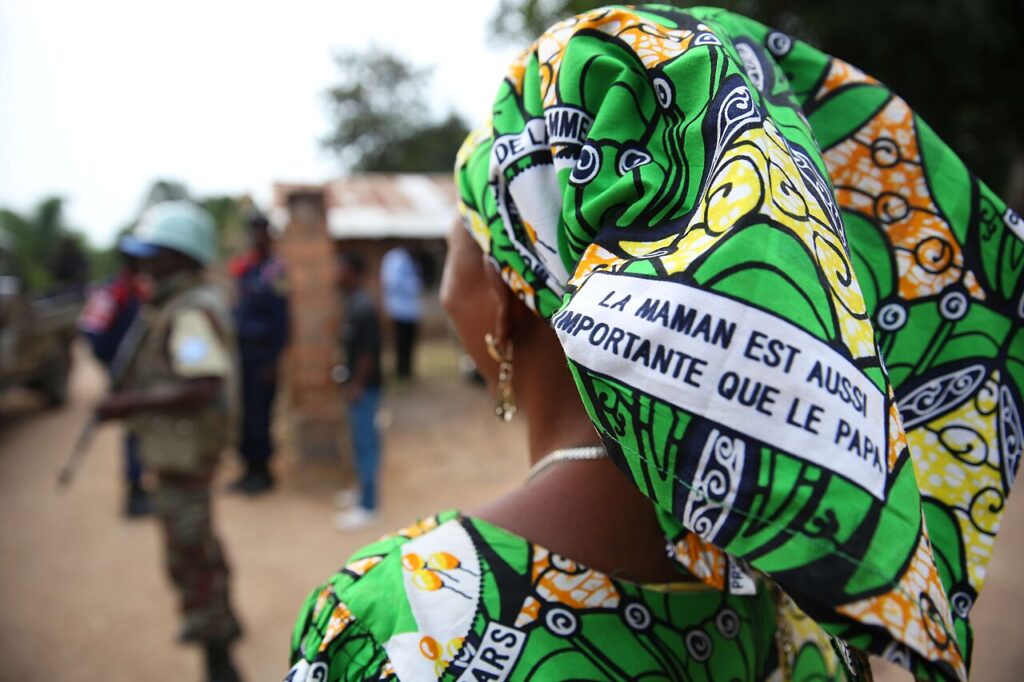
Feminism is one of those words that means different things to different people. For some, it sounds like rebellion. For others, it feels like something foreign—something that doesn’t quite belong in our society. But if you strip away all the noise, feminism is really about something simple: fairness. It is about dignity. It is about giving everyone—man or woman—the chance to live life on their own terms.
Then there’s gender. From a very young age, we are taught what it means to “be a man” or “be a woman.” A man must be strong, in control, not too emotional. A woman must be calm, respectful, accommodating—no matter what. These ideas are so deeply rooted that we rarely question them. Even when they begin to hurt us.
To understand how all this plays out in real life, let me tell you a story.
When Silence Finally Breaks
Na’ima got married at 21. Like many young women, she entered marriage with hope. She believed in love, in patience, and in building a home that would last forever. Around her, she heard the same message over and over again: “A good woman keeps her home.”
At first, everything seemed fine. But slowly, things began to change. Her opinions stopped mattering. Decisions were taken without her. Arguments became more frequent—and more painful. What started as small misunderstandings gradually turned into control.
Na’ima stayed. Not because she didn’t see what was happening, but because she had been taught that leaving meant failure. In her world, divorce was not just a decision—it was a stigma. A label. A burden many women were expected to avoid at all costs. So she endured.
Until one day, she looked at herself and realized she didn’t recognize who she had become. The confident, lively woman she once was had disappeared. What remained was someone constantly shrinking, constantly adjusting, constantly silent. And in that moment, something inside her changed. After just six months of marriage, Na’ima made a decision many people couldn’t understand. She left.
The Invisible Weight of Expectations
Na’ima’s story is not just about marriage—it is about gender.
In many of our communities, men are raised to lead and assert control, while women are raised to endure and manage. When this balance goes unchecked, it creates something dangerous. A woman who speaks up is tagged “difficult.” A man who controls is excused as “being the head of the house.”
Feminism challenges this thinking. It asks uncomfortable but necessary questions:
Why is strength defined differently for men and women?
Why are women praised for enduring pain instead of escaping it?
Why is a divorced woman judged more harshly than a divorced man?
These are not easy conversations—but they are important ones.
Starting Again: Life After Divorce
Leaving was not the end of Na’ima’s struggle. In many ways, it was just the beginning. People talked. Some friends pulled away. Even family members questioned her decision. Then there was the reality of starting over—financially, emotionally, mentally. But alongside all of that, something else began to grow. Freedom.
For the first time in a long while, Na’ima could make her own decisions without fear. She began to rediscover herself—her voice, her dreams, her confidence. It didn’t happen overnight. But slowly, she started to rebuild. Not just her life—but her identity.
And that is something people don’t talk about enough. Feminism is not always loud. It is not always protests or big speeches. Sometimes, it is quiet. Sometimes, it is a woman choosing herself in a world that expects her not to.
Feminism and Our Culture
One common belief is that feminism is against our culture. But that’s not entirely true. Culture is not something frozen in time—it grows, it changes. Some traditions uplift us, while others, if we are honest, can limit us.
Feminism is not about destroying culture. It is about asking: Which parts of our culture help us thrive, and which parts hold us back? You can value family, respect marriage, and still believe in equality. The two are not enemies.
A Bigger Picture
Na’ima’s story is just one of many. Across Nigeria and beyond, people are quietly struggling between what society expects and what they truly need for their well-being. Feminism does not claim to have all the answers. But it gives us a way to think:
Question what is unfair
Respect individual choices
Build relationships based on equality, not control
And truth be told, it benefits everyone.
It allows men to be vulnerable without shame.
It allows women to be independent without guilt.
It creates healthier, more balanced relationships.
Conclusion: The Courage to Choose Yourself
At the end of the day, feminism is not just theory—it is real life. It is in stories like Na’ima’s. Stories of quiet courage. Stories of difficult decisions. Stories of starting again.
Gender should never feel like a cage. It should not decide how much happiness a person is allowed to have. And sometimes, the strongest thing anyone can do is to choose themselves.
Even when nobody understands.
By Nims Afemai