


In the year 2000, hundreds of people gathered inside a church in rural Uganda because they believed the world was about to end.
Many of them had already sold everything they owned – homes, farms, animals. Some had abandoned jobs and cut ties with family members. They believed none of it would matter in a few days. Their leaders had promised them that the end was coming. And they believed them.
The group called itself the Movement for the Restoration of the Ten Commandments of God. It was founded in Uganda in the late 1980s by a woman named Credonia Mwerinde and a former politician named Joseph Kibwetere. The two claimed they had received visions from the Virgin Mary. According to them, humanity had become sinful and corrupt. God was angry. Judgment Day was approaching. The only people who would survive were the faithful.
Their message spread quickly. Followers joined from different parts of Uganda – farmers, teachers, former priests and nuns. Many were ordinary people searching for certainty in difficult times.
The movement demanded strict obedience. Members were expected to follow the Ten Commandments exactly. They prayed constantly. They confessed sins regularly. Some followers were even discouraged from speaking unnecessarily because leaders claimed careless words could lead to sin. Over time, the group became more isolated. Members surrendered property and money. They moved into church compounds. The movement grew and so did the control.
Then came the prophecy. The leaders announced that the world would end on January 1, 2000. As the new millennium approached, panic mixed with excitement. Followers prepared for the final days. People sold land for almost nothing. Others handed over their possessions to the movement. Families believed they would soon leave this world behind.
Then January 1 arrived. And nothing happened. The world continued exactly as it always had.
The sun rose. People went to work. Life moved on.
Inside the movement, questions began to grow. Some followers wanted answers. Others wanted their property returned. The prophecy had failed. And the cracks were beginning to show. The leaders responded with a new date – March 17, 2000. This time, they said, the end would come with certainty. Followers were instructed to prepare once again.
On the morning of March 17, hundreds gathered at the movement’s main church compound in Kanungu, Uganda. Witnesses later reported seeing preparations for what appeared to be a celebration. Food had been prepared. Soft drinks were distributed. People prayed and sang hymns. Children were there too.
Then everything changed. Shortly after the gathering began, an explosion ripped through the church. The building burst into flames. The fire spread rapidly. Nobody escaped. More than five hundred people died inside. The scene shocked the country. At first, authorities believed they were looking at one of the largest mass suicides in modern history. It was horrifying enough.
Then investigators made another discovery. Police searched properties connected to the movement. What they found was even worse. Bodies. Dozens of them. Then hundreds more.
Some were buried beneath buildings. Others were hidden in pits. Some appeared to have been poisoned. Others showed signs of violence. The death toll continued rising. What had initially appeared to be a mass suicide began looking more like something else – mass murder.
Investigators concluded that many victims may have been killed before the church fire ever happened. The failed prophecy had reportedly created unrest among followers. Some members had started questioning the leaders. Some allegedly demanded the return of their money and possessions. Police believed the leadership may have decided to eliminate those followers rather than face rebellion inside the movement.
By the end of the investigation, approximately 778 people were show to have died. Men. Women.
Children. Entire families. It became one of the deadliest cult-related tragedies in modern history.
Yet one detail made the case even more disturbing.
Several of the movement’s top leaders were never conclusively found. Authorities suspected some may have escaped before the fire. International warrants were issued. Years passed. Then decades. No one was ever prosecuted for the deaths. No one was ever officially held responsible.
The people who convinced hundreds to prepare for the end of the world seemed to vanish into it themselves.
Today, the Kanungu massacre remains one of the most shocking religious tragedies ever recorded. Not only because of the number of deaths. But because so many of the victims believed they were walking toward salvation. Instead, they were walking into a trap.
By Salimat Zakariyah
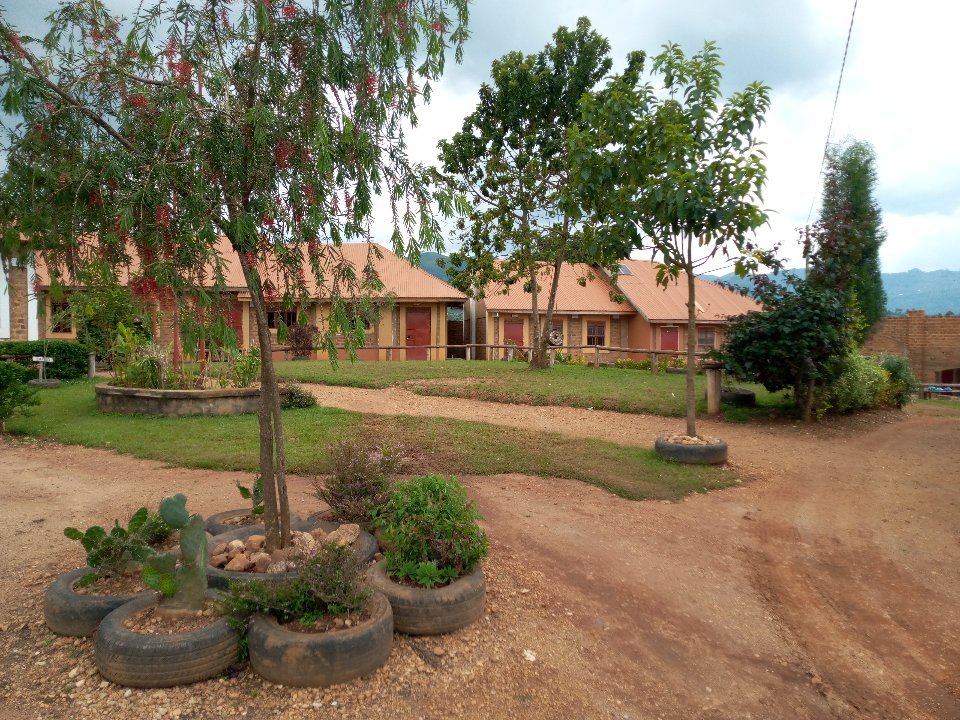
The Kanungu Humanist Primary School (pictured) was founded as a rational, compassionate response to the tragedy. Today it is educating almost 400 children, including many orphans.