


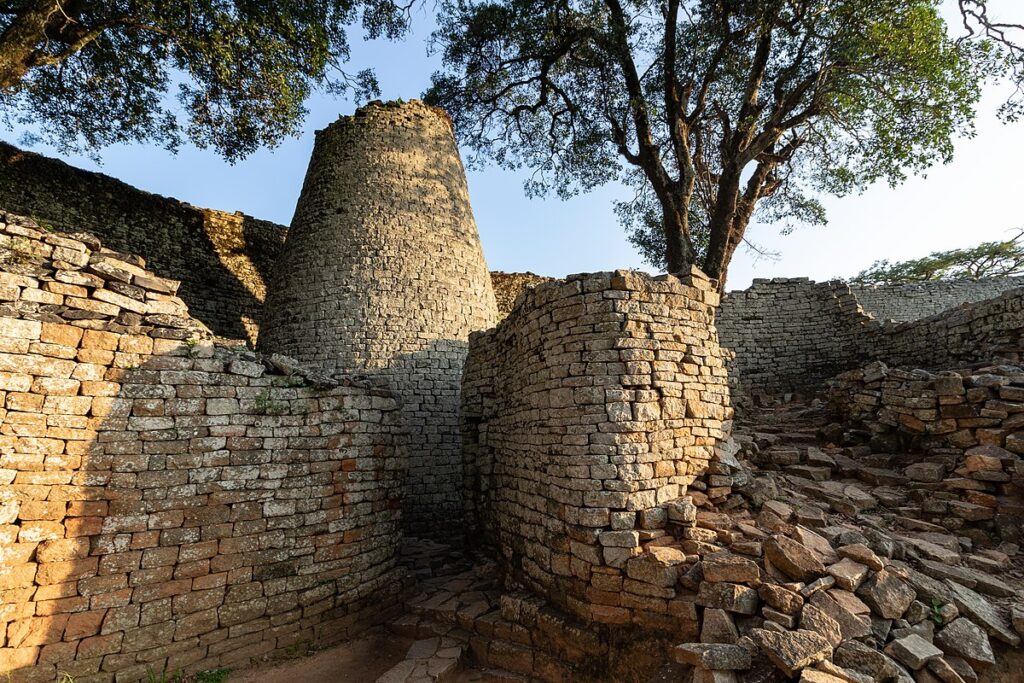
In Zimbabwe, the experience of colonial plunder and post-colonial silence reveals how the removal of cultural heritage functioned as a deliberate strategy to fracture African memory, spirituality and self-understanding. From the looting of Great Zimbabwe to the unresolved fate of Mbuya Nehanda’s severed head, artifact theft in Zimbabwe exemplifies the unfinished business of decolonisation.
Colonialism
In Zimbabwean societies, artifacts are living repositories of history. They encode spiritual authority, political legitimacy and communal identity. Sacred objects, ancestral remains, architectural sites and ritual symbols were never created for display – they were created for continuity. Colonialism understood this power. The violent extraction of Zimbabwean artifacts was not accidental or incidental but strategic. To dominate Zimbabwe materially, colonial power first sought to dominate Zimbabwe cognitively.
The colonial encounter in what became Southern Rhodesia illustrates this reality with painful clarity. Missionaries, settlers and colonial administrators removed sacred objects under the guise of civilisation, preservation and science. Spiritual items were desacralised and reclassified as ethnographic specimens. Ancestral remains were treated as data. These acts were not neutral – they were acts of epistemic violence designed to delegitimise African ways of knowing.
Zimbabwean heritage
Nowhere is this clearer than in the colonial treatment of Great Zimbabwe. As the largest pre-colonial stone structure south of the Sahara, Great Zimbabwe directly contradicted colonial narratives of African inferiority. Unable to reconcile African authorship with racist ideology, colonial scholars attributed the site to Arabs, Phoenicians or other foreign civilisations. Artifacts excavated from the site including soapstone birds, gold objects, pottery and ritual items were removed and exported to Europe. This denial of African authorship was not a scholarly mistake – it was a political necessity for colonial rule.
The Zimbabwe Birds have since become potent symbols of both loss and resistance. While some were eventually repatriated, others remain outside the country, held in foreign institutions that continue to claim legal ownership through colonial-era laws. Their absence is not symbolic alone; it represents the continued displacement of Zimbabwean history.
Ethical factors
From a Zimbabwean humanist perspective, this arrangement is ethically indefensible. Contemporary global heritage discourse, including UNESCO conversations on ethical restitution, increasingly recognises that cultural property acquired through coercion lacks moral legitimacy.
Perhaps the most painful example of Zimbabwe’s cultural dispossession is the beheading of Mbuya Nehanda, the revered spirit medium and leader of the First Chimurenga. After her execution by the British in 1898, her head was severed and taken to Britain, reportedly for scientific study. More than a century later, her remains have not been conclusively returned.
The need for justice
Despite political independence in 1980 (flag independence), Zimbabwe inherited sovereignty without cultural recovery. Land reform and political power were prioritised, while cultural restitution remained marginal. Yet identity without memory is fragile.
The African Union’s Charter for African Cultural Renaissance affirms culture as a foundation of development, dignity and unity. Restitution of artifacts is therefore not optional; it is central to Africa’s collective future.
The question of Zimbabwe’s stolen artifacts must therefore be situated within the broader reparations discourse. Reparations are not limited to financial compensation – they include cultural, psychological and epistemic repair.
Zimbabwe’s stolen artifacts represent interrupted conversations between past, present and future. The return of these artifacts is not an act of benevolence but a demand for justice.
By Tauya Chinama