


Environmental justice has become one of the characteristic moral, political, and developmental issues of the twenty-first century.
Although climate change, pollution, loss of biodiversity, and environmental degradation are problems impacting all parts of the world, they are not produced or distributed equally. The developing nations – especially the African nations – have made the smallest contribution to world pollution but disproportionately suffer the impacts of the pollution. This inequality begs some pressing questions of fairness, responsibility and inequality in the global environmental order.
Recollections of Colonialism
Colonial extraction in Africa cannot be separated from the start of environmental injustice in the continent. The colonial countries modelled African economies on the exploitation and export of resources – including minerals, timber, oil, agricultural products, etc. This extraction was prioritized at the expense of creating sustainable infrastructure. There was no concern for environmental stewardship.
Colonial policies disrupted African systems of land management, undermined communal ownership and concentrated on the control of natural resources. Extractive economics continued – postcolonial economies continued to rely on the export of raw materials. This enduring effect of colonialism created an ecosystem imbalance: African environments were cast as resources to be exploited by all.
Neocolonial Exploitation
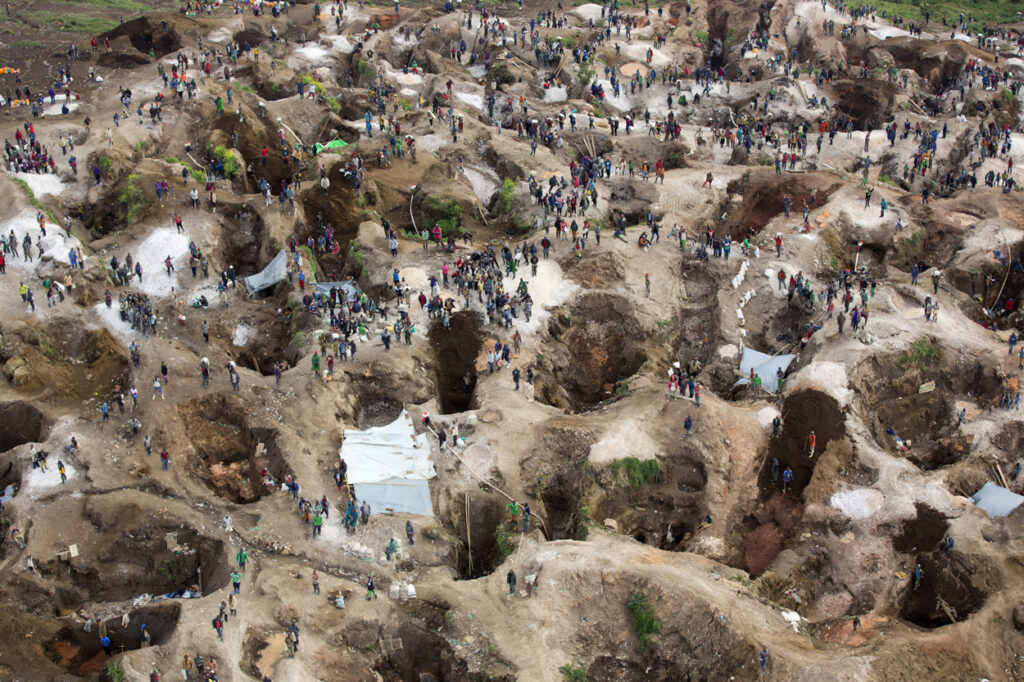
In the new world order, foreign investors and corporations still extract resources on a large scale. Oil drilling in the Niger Delta, cobalt mining in the Democratic Republic of Congo, and timber extraction in Central Africa are examples of how economic dependency tends to destroy the environment.
Loose regulation, corruption, and a power imbalance between states and corporations lead to increased pollution. Whole societies are disenfranchised and powerless to prosecute corporations that have caused oil spills, toxic releases, or land degradation.
In addition, the dumping of hazardous waste in Africa has increased. European and North American e-waste is transported to informal recycling centres where workers are exposed to toxic substances. This practice illustrates the extent of environmental inequality in the world.
Global Responsibility
Historical responsibility is a very important aspect of energy justice. The collective contribution of African nations to the cumulative global production of greenhouse gases is very small, but African countries are impacted greatly by the effects of climate change and pressured to rapidly decarbonize. Meanwhile, the prosperity of the capitalist world remains rooted in hundreds of years of fossil fuel consumption.
This imbalance indicates how climate responsibility should be distributed at a global level. Climate justice stipulates that developed countries should provide both financial and technological aid to help Africa move to renewable energy systems – but without compromising economic development. Such support would enable the continent to escape from the trap of energy poverty coupled with fossil fuel dependency.
By Zacham Bayei