









My grandmother said, ‘A woman’s power is in her mouth.’ My boss said, ‘Women talk too much.’ Which one is true?
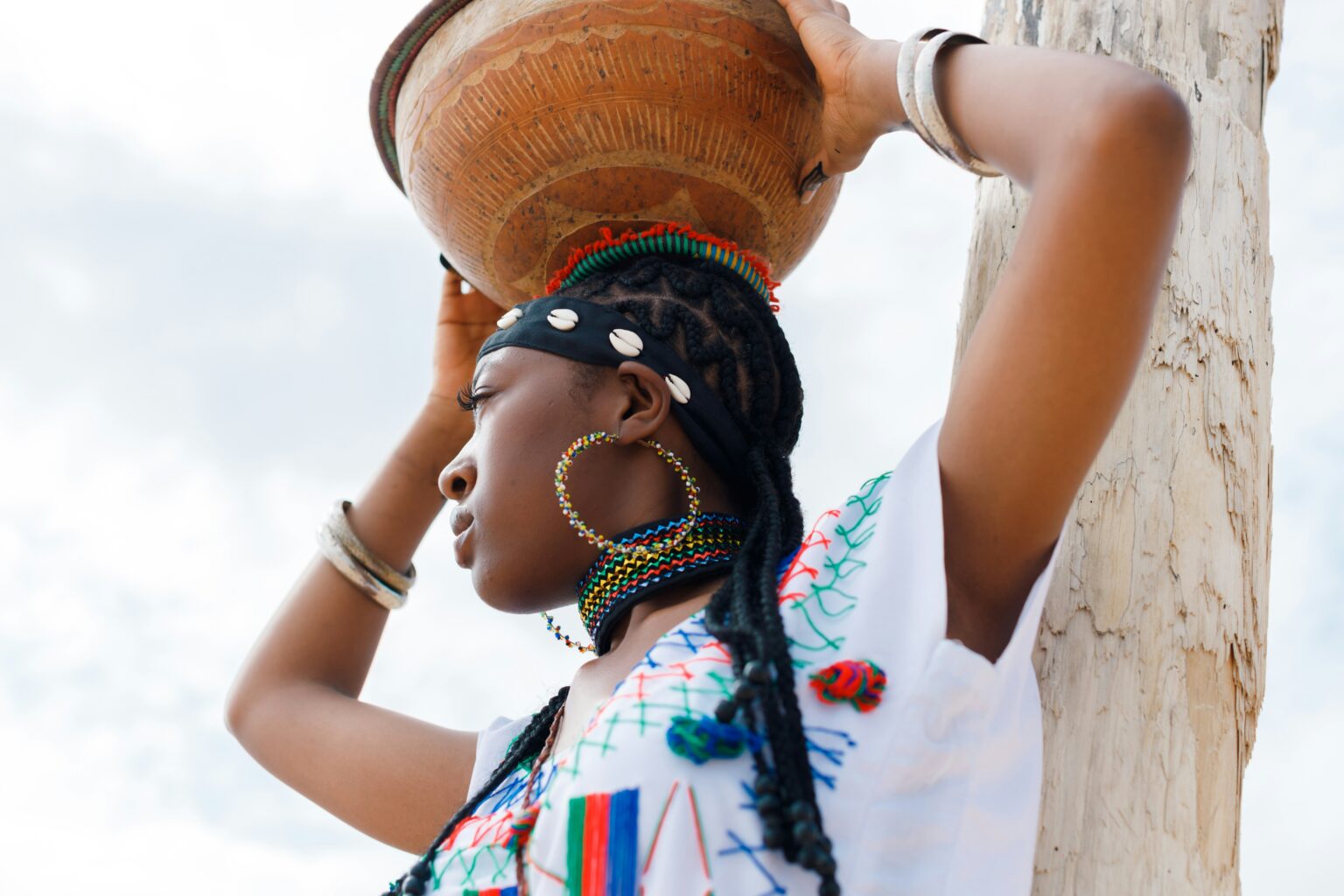
Growing up in Africa, we hear proverbs everywhere – short, wise sayings our parents and elders use to teach us how to live. “One finger cannot pick up a stone.” “A woman who fetches water does not break the pot.” We hear them so much that they start to sound like law.
Some of these proverbs lifted us. They gave our mothers and grandmothers courage, wisdom, and pride. They helped women run homes, build businesses, and hold communities together. And some of them tied us down. They told girls where to sit, what to say, and what dreams were “too big.”
Today, African women are walking from the kitchen to the boardroom. And as we walk, we are asking: Which proverbs do we keep? Which ones do we rewrite?
Proverbs That Helped Us Fly
Not all proverbs were used to hold us back. Some of them gave our mothers wings.
“A woman is the neck that turns the head” – Igbo and Yoruba.
Women may not always be in front, but we influence what happens. In the house, women suggest, and men decide. In the market, a woman whispers to the chairman and things change. In the office today, women are using this same wisdom. We don’t shout to lead. We advise, we connect, we make things work behind the scenes.
“When a woman is educated, a nation is educated”.
This saying pushed many families to pay school fees for daughters, not just sons. So now we have female doctors, teachers, and engineers. One woman learns, and she teaches her children, her neighbours, her community. That proverb turned “waste of money” into “investment.”
“The woman who fetches water does not break the pot”.
It means be careful. Be wise. Be trusted. Over time, women used it to prove we can handle money, manage businesses, and lead teams. Because we’ve shown we don’t “break the pot.”
“One finger cannot pick up a stone”
This is the sisterhood proverb. It birthed esusu (thrift), women’s groups, church societies. It taught us: come together and the load becomes light. One woman can’t do everything, but 10 women can build a school, fund a business, or fight injustice.
Proverbs That Tied Us Down.
Now let me talk about the other side. Because some proverbs didn’t lift us. They put us in a box.
“A woman’s place is in the kitchen”
We hear this one a lot. It sounds harmless, but it shrinks dreams. “Why study engineering? Your place is in the kitchen.” “Why travel for work? Your place is in the kitchen.”
Many girls grew up believing their biggest job was cooking and serving. But today you’ll find those same girls in boardrooms, labs, and banks. They heard the proverb, smiled, and still carried their pot and their portfolio.
“What will people say if a woman does that?”
This is the fear proverb. It kills ideas before they start. Want to contest for councillor? “What will people say.” Want to leave a bad marriage? “What will people say.” Want to speak up in a meeting? “What will people say.” For years it kept women quiet. But younger women are now answering: “Let them talk. I’ll still do it.”
“A good wife does not answer her husband back”
This one was used to silence women. “Keep quiet. Don’t argue.” Even when something was wrong. Today, women are re-interpreting it: Respect doesn’t mean no voice. It means talk with wisdom.
“If a woman is too educated, no man will marry her”.
The marriage vs career lie. It told women to choose. But look around. Educated women are marrying, building homes, and building companies too.
The New Proverbs We Are Writing
Proverbs are not written in stone. Our grandmothers created theirs. Now it is our turn. African women today are sitting in kitchens and boardrooms. So we are making new sayings that fit both places.
The ones we are posting online
Scroll TikTok or Twitter and you will hear them: “Soft life and hard work can coexist.” “Rest is also productivity.” “Protect your peace like it’s your salary.” They sound simple, but they are teaching girls something new. That you don’t have to suffer to succeed. That you can be ambitious and take care of yourself.
The ones we are remixing in offices
Women leaders are taking old proverbs and giving them new meaning.
Old: “A woman is the neck that turns the head.”
New: “A woman is also the head. And the neck. And the hands.”
Old: “The woman who fetches water does not break the pot.”
New: “The woman who fetches water also owns the company that sells the water.”
The ones we are living by
“From kitchen to boardroom, we carry both pots and portfolios.”
It means we are not choosing one life over the other. We can cook for our family on Sunday and pitch investors on Monday. We can braid hair and build apps.
Conclusion
Some proverbs gave our mothers strength, wisdom, and pride. Some now put limits on what we thought we could do. Our job now is to sift. Keep the ones that build us. Rewrite the ones that break us. Add new ones that fit the life we’re living today — from kitchen to boardroom.
Proverbs are not laws. They are tools. And we get to decide which tools we use.
By Ijeoma Adeniyi


