









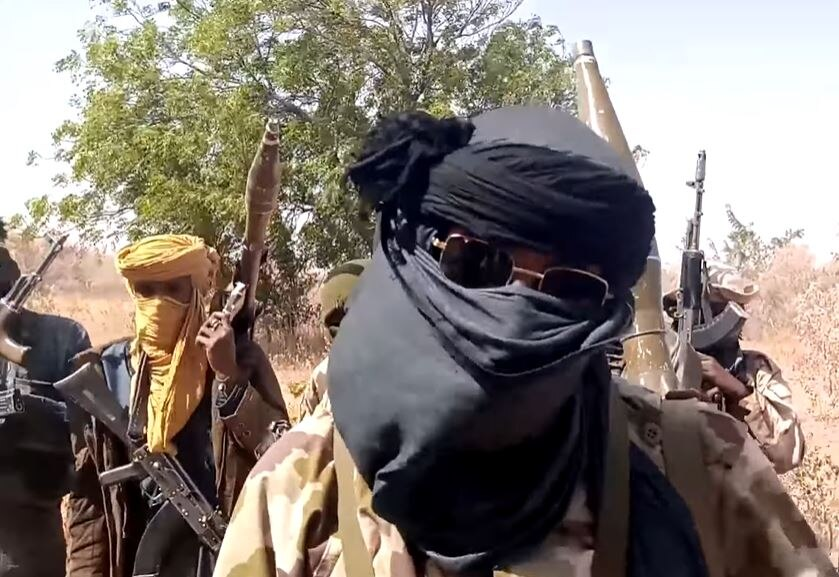
Nigeria, an epitome of culture, resources, and what have you, continues to face great internal security challenges of which banditry and Boko Haram are the biggest threat. Their frequent attacks have rendered millions of people displaced and destitute, and innumerable lives have been lost. While such problems are not unique to Nigeria, the socio-political, economic, and religious setup of the country makes them a greater issue here.
This article attempts to describe banditry and Boko Haram terrorism in Nigeria, their underlying causes, and their far-reaching effects on Nigerian society. It also looks at some possible solutions to these security issues, particularly through an approach for peace and stability that entails cooperation between the Nigerian government, local communities, and the international community.
Banditry in Nigeria
Banditry in Nigeria simply refers to the activities of criminals who carry out armed robberies, kidnappings, and violent attacks – mostly in the northern parts of the country. The perpetrators are generally organized groups operating outside the law and engaged in violent criminal activities for monetary gains. Banditry has become increasingly common in Nigeria in recent years, mostly concentrated in the northwest and northeast, with the states of Zamfara, Katsina, Kano and Sokoto suffering the most.
The causes of banditry in Nigeria are multifaceted. They include poverty, unemployment, ethnic and religious tensions, poor governance, and the proliferation of weapons in the region. Most of the bandits come from poor rural backgrounds and perceive their actions as being necessary to survival. Another contributing factor is the porous nature of Nigeria’s borders that enables criminal groups to operate freely, moving weapons and people across the region with little interference. The bandits’ operations include:
Abduction for Ransom: The bandits frequently kidnap people for ransom, including students. Such kidnappings were once limited to rural areas, but nowadays they occur within cities and towns, making citizens uneasy in every part of the country.
Massacres and Raids on Villages: In a number of cases bandits have burnt villages while slaughtering civilians and looting livestock.
Organized Crime: Bandit groups participate in many forms of organized criminal activities such as arms smuggling and human trafficking. This is mostly financed by local elites or transnational criminal organizations.
Boko Haram
Boko Haram is a radical Islamist group that emerged from north-eastern Nigeria in the early 2000s. The name Boko Haram is a Hausa phrase which means “Western education is forbidden,” an expression of opposition to Western influence. The group formally identified itself as an insurgent group in 2009, with Abubakar Shekau as its leader. It aims to create an Islamic state in Nigeria by overthrowing the Nigerian government and imposing a strict form of Sharia law.
The rise of Boko Haram is due to a mixture of economic deprivation, religious extremism, and bad governance. The government has lamentably failed to address the needs of the northern regions, particularly in terms of education and employment opportunities. This led to the radicalisation of youths who were then recruited by the militants.
Boko Haram insurgency has become one of the bloodiest conflicts in the history of Nigeria with thousands killed and millions displaced. The insurgency mostly affects the northeastern states of Borno, Yobe,
Adamawa, and Bauchi. Some of the group’s more infamous operations include:
Suicide bombings: Boko Haram has perpetrated numerous suicide bombings against crowded areas, including markets, mosques, and military installations.
Kidnappings: Boko Haram attained a degree of infamy in 2014 by abducting 276 girls from their school in Chibok. The group has since often abducted children and young women for forced labor, forced marriage, and indoctrination.
Community Destruction: Boko Haram has terrorized rural communities, attacking villages and burning houses, and displacing the residents. These attacks have whipped the population into a state of deep fear and have destabilised the affected regions.
Root Causes of Banditry and Boko Haram Terrorism
The festering causes of banditry and Boko Haram terrorism in Nigeria include social, economic, and political factors. These need to be understood so that effective strategies may be fashioned towards addressing the situation.
Economic Disparities: The high incidence of poverty and unemployment in Nigeria, particularly within the northern regions, has been a major cause of banditry and terrorism. Many individuals, mostly youths, venture into criminal activities as means of economic sustenance. The absence of economic opportunities, coupled with weak governance and corruption, is conducive for crime and extremism to take root.
Poor Governance and Corruption: Poor governance in the northern areas of Nigeria has rendered a power vacuum easily exploited by criminal gangs and terrorist groups. Corruption has led to the misuse of resources allocated to security and development. Communities are left without adequate protection and many security forces are ill-equipped to face the escalating threat.
Religious Extremism and Ideological Motivation: Religious extremism is central to Boko Haram’s motivation. Their ideology emanates from a radical interpretation of Islam that condemns Western education and culture. Boko Haram leaders have exploited the grievances of frustrated youths who feel marginalized by the state. They have used this discontent as a medium through which to incite violence and radicalise more people.
Regional Instability and Proliferation of Arms: The porous borders between Nigeria and neighbouring countries such as Chad, Niger, and Cameroon have become a fast passage for the movement of arms and fighters. Bandits and Boko Haram insurgents often cross these borders to regroup, resupply, and scale up their operations. The spread of small arms and light weapons in these regions affords the armed groups freedom to operate.
The Impact of Banditry and Boko Haram Terrorism
Banditry and Boko Haram terrorism have wreaked havoc on Nigeria. From the loss of human lives to the displacement of millions of people, the social and economic consequences of these security challenges are enormous.
The Human Cost: Thousands of Nigerians have lost their lives due to banditry and Boko Haram terrorism. Violent attacks on villages, communities, schools and markets have destroyed families and fragmented communities. The operations of Boko Haram in particular have caused the displacement of millions, forcing Nigerians to flee both to other parts of the country and to neighbouring states in search of shelter.
Economic Implications: Banditry and Boko Haram terrorism have significant economic consequences. They disrupt trade, some forms of agriculture, and local businesses, thereby halting local economic development. Moreover, the costs of fighting terrorism and banditry burdens Nigeria’s already fragile economy with extra military and police expenditure.
Displacement and Humanitarian Crisis: According to the UNHCR, over 2 million people are currently displaced within Nigeria, with most seeking refuge in camps for internally displaced persons (IDPs). The overcrowding, poor sanitation, and lack of food and healthcare within these camps aggravate the humanitarian crisis.
Ways to Curb Banditry and Boko Haram Terrorism
The concerns of banditry and Boko Haram terrorism require a multilateral approach targeting the root causes, improving security, and fostering social and economic development. The following steps are crucial in addressing security challenges in Nigeria:
Improved Governance and Anti-Corruption Measures: The government needs to ensure good governance, with emphasis on transparency and accountability in resource management. Addressing corruption head-on, by reinforcing the Anti-Corruption Commission, and ensuring that resources for marginalized areas are well distributed, will address the issues giving rise to banditry and terrorism. Good governance and fighting corruption will make it difficult for criminal groups to exploit weaknesses in the system.
Regional Cooperation and Border Control: Regarding the transnational movement of arms and fighters, Nigeria must cooperate with its neighbours — notably Cameroon, Chad, and Niger — to enhance border security and combat illicit arms trading. Mechanisms for joint military operations and intelligence sharing should also be instituted to target and tear down the transnational criminal organizations which create insecurity in the region.
Strengthening Security Forces and Community Policing
Nigeria’s security personnel must be better equipped and receive adequate training and support. Community policing and a collaborative approach to security that includes local populations can bring about better intelligence gathering, allow early threat identification, and thwart attacks before they occur. Counter-terrorism units also need to be better financed and resourced to meet the changing tactics of insurgent groups.
Youth Empowerment and Education: The radicalisation of youths can be prevented by offering them alternatives to criminality – such as access to education, job opportunities, youth empowerment programs. Involving the youth in productive ventures, and equipping them with skills to integrate into the formal economy, will diminish their susceptibility to extremist ideologies and reduce recruitment into criminal activities.
Humanitarian Assistance for Displaced Persons: With help from international bodies the government should expedite the provision of humanitarian assistance to the millions of displaced persons. This includes providing food, water, medical care, and accommodation, with plans for long-term resettlement and reconstruction of damaged communities.
Conclusion
Banditry and Boko Haram terrorism are impediments to stability and development in Nigeria. They are caused by a mixture of economic, political, social, and ideological forces that need holistic and sustainable interventions. These include improving governance, strengthening regional cooperation, boosting security forces, addressing the root causes of extremism, and availing humanitarian assistance.
With this, Nigeria can begin to tame banditry and terrorism, and build a road to peace and stability. Through enforced central policy and collective efforts, Nigeria can surmount these challenges and build a secure future for its citizens.
By Zacham Bayei


