







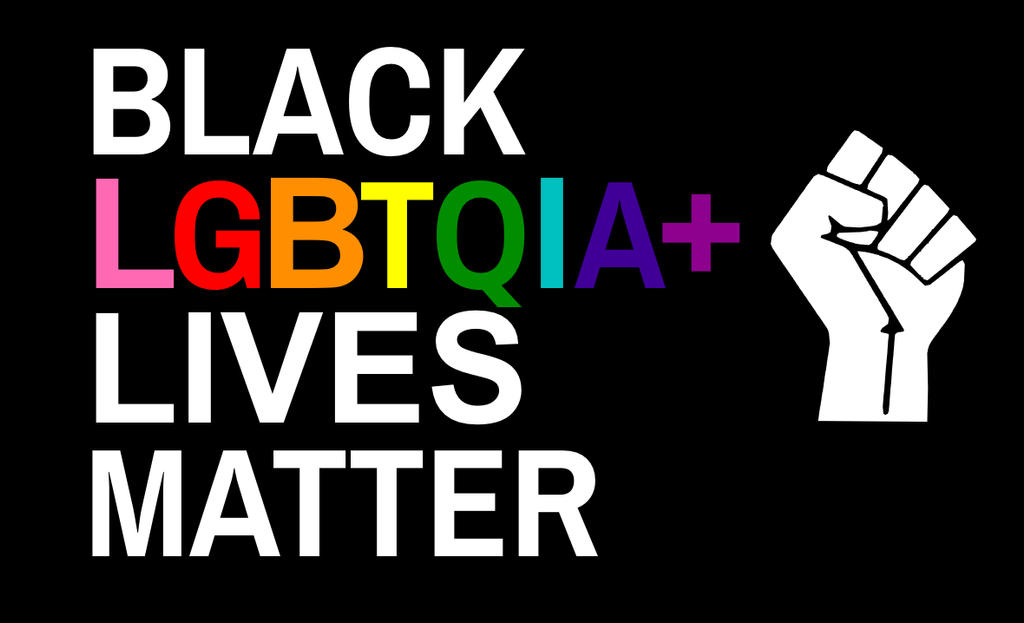
In many parts of East Africa, conversations about gender and identity remain difficult, controversial, and deeply emotional. For LGBTQ+ individuals, simply expressing who they are or loving openly can lead to rejection, discrimination, violence, or even forced displacement. Yet despite these harsh realities, many people continue to speak out, organize, and fight for the basic right to live with dignity.
Discrimination
As a Ugandan humanist and LGBTQ+ human rights advocate based in East Africa, I have witnessed how identity can become a source of suffering in societies where conformity is often valued more than individuality. Too many people are judged not by their humanity or character, but by whether they fit into rigid expectations about gender, sexuality, religion, and culture. Those who are seen as different are frequently treated as outsiders, threats, or sinners rather than fellow human beings deserving compassion and equal protection.
For many LGBTQ+ people in East Africa, fear is part of daily life. Fear of arrest. Fear of exposure. Fear of losing family, employment, education, housing, or community support. In countries like Uganda, anti-LGBTQ+ laws and hostile public rhetoric have intensified stigma and violence against already vulnerable communities. Political leaders and religious figures often use LGBTQ+ identities as targets for moral panic, portraying them as foreign influences or threats to African culture.
But the reality is far more complex. Diversity in gender expression and sexuality has always existed within African societies. Before colonial-era laws criminalized same-sex relationships, many African communities had their own understandings of identity and social roles. Ironically, some of the laws now used to persecute LGBTQ+ Africans were themselves inherited from colonial systems.
Displacement
Today, many people continue to suffer under these systems of exclusion. Young people are expelled from schools. Families disown their children. Activists face harassment and intimidation. Others are forced to flee their countries entirely in search of safety and protection. Across East Africa, LGBTQ+ refugees and asylum seekers continue to endure violence, poverty, homelessness, and discrimination, even after escaping persecution.
As someone living among displaced and marginalized communities, I have seen how difficult life becomes when a person’s identity is treated as a crime. Refugees who are already escaping war, political instability, or economic hardship often face an additional burden because of their sexuality or gender identity. Some live in hiding even within refugee settlements. Others are denied opportunities, healthcare, or community support because of prejudice and misinformation.
Yet even in these painful circumstances, I have also witnessed courage, resilience, and solidarity. LGBTQ+ refugees continue supporting one another, creating small networks of protection and hope. Human rights defenders, feminist activists, secular organizations, and humanists across Africa are continuing to challenge discrimination and advocate for inclusion despite enormous risks.
Culture
In East Africa, discussions about gender and identity are often framed as conflicts between “African values” and “Western influence.” This narrative is harmful because it reduces human beings to political talking points. Human rights are not Western or African. Dignity is universal. The right to live without violence, discrimination, or persecution belongs to everyone.
Culture is important, but culture is not fixed or unchangeable. African societies have evolved throughout history, and they continue to evolve today. Practices once considered normal including denying women equal opportunities or tolerating harmful traditional practices have been challenged through education, activism, and social progress. Likewise, prejudice against LGBTQ+ individuals can also be challenged through dialogue, empathy, and greater understanding.
Religion and politics
One of the greatest dangers facing our societies is the growing use of religion and politics to spread fear and division. In many communities, LGBTQ+ people are described using dehumanizing language that encourages hostility instead of understanding. Such rhetoric not only harms individuals but weakens society as a whole by normalizing hatred and exclusion.
We cannot build peaceful or democratic societies while denying some people their humanity. Inclusion does not threaten culture, religion, or family values. Instead, inclusion strengthens society by affirming that every person deserves respect and equal protection under the law.
The struggle for LGBTQ+ rights in Africa is ultimately a struggle for humanity. It is about whether people can live truthfully without fear. It is about whether societies can protect minorities instead of scapegoating them. And it is about whether future generations will inherit communities rooted in empathy or communities ruled by fear.
The Humanist response
Gender identity is deeply personal. Every human being experiences identity differently, and no government, religious institution, or political leader should have the power to erase or criminalize a person simply for existing. The freedom to express oneself honestly and safely is part of human dignity.
Humanism offers an important perspective in these conversations. At its core, humanism recognizes the inherent worth and dignity of every human being regardless of their identity, background, or beliefs. Humanism encourages empathy, reason, compassion, and respect for individual freedom. It reminds us that morality should be rooted not in fear or hatred, but in our shared humanity.
For many LGBTQ+ individuals who have experienced rejection from religious institutions or communities, humanism becomes more than a philosophy. It becomes a source of affirmation and belonging. It offers the possibility of being valued as a human being without conditions attached.
As humanists, we must continue promoting compassion, critical thinking, and human rights. We must challenge misinformation and reject narratives that portray vulnerable communities as enemies. We must support spaces where young people can ask questions, learn openly, and exist without fear of violence or shame.
Hope for the future
Despite the challenges, hope remains alive. Across Africa, brave individuals and grassroots movements continue speaking out for justice and inclusion. Their courage reminds us that social progress is possible even in difficult environments. Every voice raised against hatred matters. Every act of solidarity matters. Every effort to defend human dignity matters.
As we reflect on gender and identities, we must remember that identity should never be a reason for exclusion or violence. Diversity is part of the human experience. A truly humane society is one that allows people to live openly, honestly, and safely regardless of who they are.
The future of East Africa and Africa at large should not be built on fear of difference. It should be built on compassion, equality, and the recognition that every human being deserves dignity.
By Abraham Kasisi Jr.


