



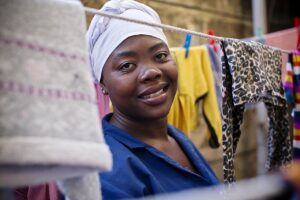





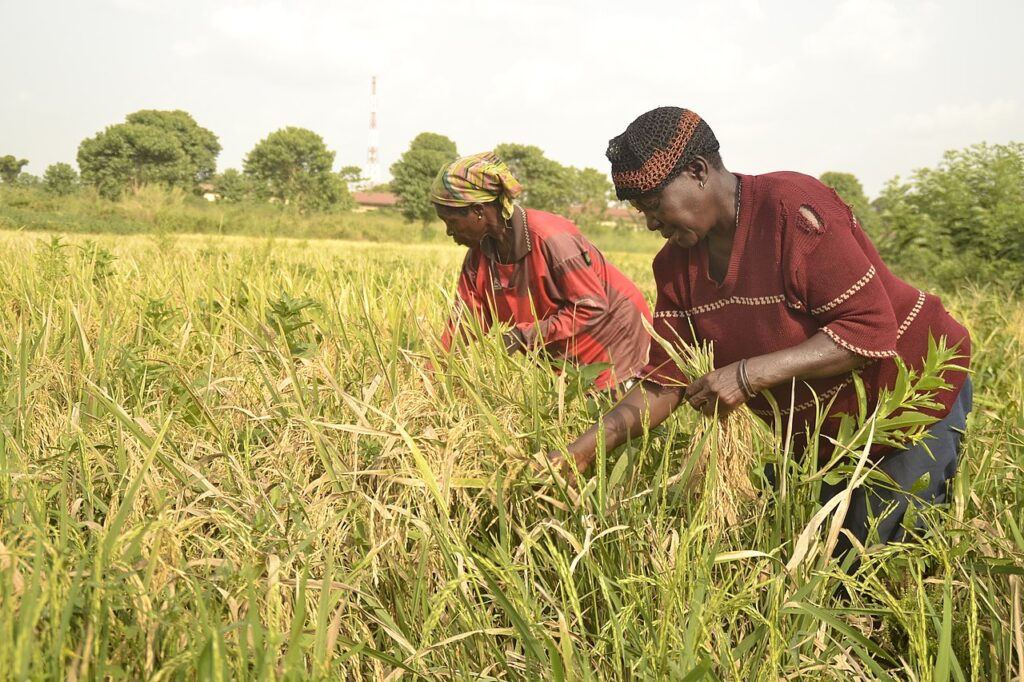
Over 80 million Nigerian rural women live in rural areas and face significant challenges due to poverty, inequality and lack of opportunity. Around 70% of them rely on unsafe water sources, and 60% have no access to electricity. Health care facilities are often inadequate or a long way from their homes.
Rural women
Most rural women are involved in subsistence farming with limited access to modern farming techniques, financial services and markets. They have few economic opportunities and earn significantly less than men.
Only 20% of rural women are literate compared to 50% of urban women – according to UNESCO – and only 10% complete secondary school. This affects their ability to access information, make informed decisions, and become economically active. Less than 5% of them have bank accounts. This makes it difficult for them to access credit and insurance, and accumulate savings.
Women’s opportunities are further limited by early marriage and the resulting domestic duties. And they are often subjected to domestic violence.
The Impact of Poverty and Inequality
Maternal mortality at 814 deaths per 100,000 live births is higher in rural areas than in urban areas. Health outcomes for rural women are also impacted by malnutrition and limited access to healthcare. In addition, the isolation of rural women and their limited opportunities adversely affects their mental health and overall well-being.
Lack of Opportunity
The barriers to opportunities for rural women include:
- Poor roads and lack of transportation in rural areas restrict access to markets and services
- Rural women are forced to rely on middlemen when selling their produce. This reduces their profits
- Restrictive gender roles limit women’s freedom and mobility
Initiatives and Solutions
The federal government in Nigeria operates the NationalPoverty Eradication Program (NAPEP). This addresses poverty and promotes economic empowerment. NGOs like USAID and Oxfam provide microfinance and skills training, and private sector companies partner with rural women to create economic opportunities. Finally, cooperatives and self-help groups empower women economically and promote social development.
Policy Recommendations
A number of initiatives would make a significant impact. They include:
- Increase access to education and skills training
- Enhance economic opportunities through entrepreneurship and employment
- Improve access to financial services
- Address social and cultural barriers through advocacy
- Invest in infrastructure like roads and energy
Conclusion
Poverty and inequality have eaten deep into the fabric of the lives of rural women, and their plight calls for urgent assistance from government, NGOs and from the rural communities themselves.
By Ijeoma Adeniyi


