









It is a Sunday evening in Ibadan. Mama Ade is pounding yam in her kitchen, and her three children are playing outside. Two compounds away, Aisha is hanging clothes on the line and helping her own kids with homework. Both women are married to the same man, Mr. Ojo. Mama Ade is wife number 2. Aisha is wife number 3. If you ask them separately, they will both look you in the eye and say, “it is my choice.”
What is polygamy?
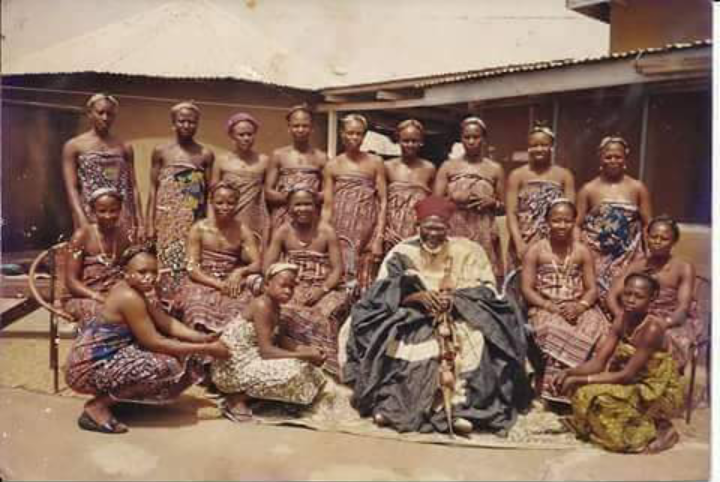
Polygamy just means one man with more than one wife. It is not new. In Nigeria, it is legal, it is cultural, and for many families it is also religious. You will see it in Igbo villages, Hausa towns, Yoruba cities, and in Christian, Muslim, and traditional homes. For some people, it is normal like rice and stew on Sunday. For others, it is a topic that causes arguments at family meetings.
But here is the thing: we talk a lot about polygamy. Men will say, “It is our culture.” Pastors and Imams will quote scripture. Uncles will say, “That is how we were raised.” Feminists will say, “It is oppression.” Lawyers will talk about law and rights.
But who is asking the women? Not the man with three wives. Not the elders in the meeting. But the actual women are wearing the wrappers, cooking in separate kitchens, raising children under one roof, and sleeping in different rooms. What does it feel like to be wife number 1 when wife number 3 arrives? What does it feel like to be wife number 3 and hear neighbours say, “She came to scatter the house”? What does it feel like to be the middle wife that everyone forgets to mention?
Because the truth is, polygamy is not one story. There are many stories packed inside one house.
For some women, it is comfort. They grew up watching their mothers and aunties in polygamous homes. To them, sharing a husband is not strange. It is just life. For others, it is survival. In some communities, being a married woman, even as a co-wife, is seen as safer than being single with children and no support. For some, it is love. They met a man, they loved him, and they accepted that he already had a family. And for some, it is pain. They married one man, then one day another woman entered the house, and nobody asked if she was ready.
This article is not here to judge. I’m not here to say, “polygamy is evil” or “polygamy is perfect.” Both will be a lie. What I want to do is simple: pull back the curtain. Let us hear from the senior wife who feels replaced. The junior wife who is called a “home wrecker.” The middle wife who is always proving she belongs. And the rare co-wives who actually became sisters. Because behind every “wife number 1, 2, 3” are real women with real hearts, real bills, real children, and real tears. So let me be plain. No big grammar. Just truth.
How Do Nigerian Women End Up in Polygamous Marriages?
If you ask 10 women “how did you enter polygamy?”, you will likely get 10 different answers. It is not one straight road. For many Nigerian women, it happens through culture, faith, love, pressure, and sometimes just life circumstances.
Culture and tradition
For many families, polygamy is just… normal. In some Igbo, Yoruba, and Hausa homes, a man marrying more than one wife has been happening for generations. Little girls grow up seeing their grandfather with 3 wives, their uncle with 2 wives, their neighbours calling different women “mama”. So when they grow up, it doesn’t sound strange. Some women even expect it. The thinking is: “That is how our people do it.”
In some communities, a man with many wives is also seen as a man who is capable, blessed, and respected. And the women in those homes grow up knowing that one day, sharing a husband might be part of the story. It is not forced. It is just what life looks like in that environment.
Religion
Religion also plays a big role. In Islam, a man is allowed to marry up to four wives if he can treat them fairly. So in many Muslim homes across the North and even in Yoruba Muslim communities, polygamy is accepted and practiced openly. It is not hidden. It is part of the faith.
In some traditional African religious homes too, it is encouraged. The belief is that more wives means more children, more hands to work the farm, more people to carry the family name. For women raised in those settings, it feels natural. They don’t see it as “wrong.” They see it as “this is how we do marriage here.”
“I loved him…”
This one is real. Some women meet a man and fall in love, only to find out later that he is already married. And then the conversation starts: “I can’t leave him. I love him.”
Or: “Better to be wife number 2 to a responsible man than to be single and struggling.”
Or: “He is taking care of me and my children. What else can I do?”
For children and security
For some, it is about love. For others, it is about money, security, and stability. In a country where things are hard, some women make the choice to enter an existing marriage because it feels like the safest option they have at the time. It is not always romantic. Sometimes it is practical.
Some women choose polygamy because they want children and they want those children to have a father’s name. Some do it because they don’t want to face life alone. “If I have a husband, even if I’m wife number 3, at least I have cover. At least my children have a place.” In villages especially, being single with kids can attract gossip, poverty, and struggle. So marriage, even shared marriage, feels like protection.
“He promised it won’t happen again”
And then there is this one. The surprise entry. She marries thinking it is just her and her husband. Monogamy. One house. One family. Two years, five years later… another woman enters the picture. Sometimes the husband tells her first. Sometimes she finds out last. The promise before marriage was “just you.” But life changed. Family pressure came. “You haven’t given me a male child.” “You’re always traveling.” “My mother says I need another wife.”
For these women, it feels different because they didn’t plan for it. The consent was not there from day one. Now they have to decide: stay and adjust, or leave and start over.
Different Women, Different Stories
What is important is this: behind every “wife number 2” or “wife number 3” is a reason. And that reason deserves to be heard without quick judgment. If you line up 5 women in a polygamous home, they won’t all tell you the same story. Where you fall as a wife changes how you see the whole thing.
The Senior Wife / First Wife
She was there first. In the beginning, it was just her, her husband, and maybe the children. She built the home with him. She knows his moods, his family, his secrets. Then another woman enters. It can hurt. A lot. It feels like sharing what was once only yours. Your bed, your time, your husband’s attention, even your respect in the compound. Some first wives say they feel replaced, like their years of service suddenly don’t count again.
There is also pressure. People expect her to “be mature” and “welcome her sister.” But inside, she is thinking: “I was the only one. Now I must share everything.”
People watching if she will fight or accept it. Trying to protect her children’s place. Learning to adjust without losing herself. Not all first wives are bitter. Some make peace. But the first adjustment is usually the hardest.
The Middle Wife / Later Wife
She didn’t come first, and she is not the newest. She is in the middle. Sometimes she has more freedom because all eyes are not on her. But she also fights to be seen. The first wife has history. The last wife gets new attention. The middle wife? She has to keep reminding people “I am here too.”
It can feel like you are always proving you belong. Proving you deserve school fees for your kids. Proving you deserve time with your husband. Proving you are not a threat to anyone. Caught between two sides during trouble. Not getting “senior wife respect” but also not getting “new wife soft life”. Building her own lane so she won’t be forgotten.
The Junior Wife / Last Wife
She is the newest. Everyone notices when she arrives. New wife, new energy. The husband may visit more, bring more gifts. But that spotlight also brings big trouble! The other wives may call her names. “Home wrecker.” “She came to spoil the house.” Even family members will be watching her moves. And the pressure is real. If she doesn’t get pregnant quickly, people talk. If she gets too much attention, people talk. If she is quiet, people talk.
She has a lot to deal with. Jealousy from other wives. The label that she “snatched” someone’s husband, even if she did not. Some junior wives thrive. Many walk on eggshells to avoid trouble. Some break under the weight of everyone watching.
The Peaceful Co-Wife
This one is rare, but it exists. And when it happens, it is beautiful. These women decide: “We will not be enemies.” They cook together. Farm together. Watch each other’s children. Borrow money from each other. Celebrate birthdays together. One person’s child calls the other “mama” too. It doesn’t mean there is never disagreement. But they choose respect over gossip. Teamwork over competition.
The Struggling Wife
This is the wife that many people don’t see, but she is there. For her everything feels unequal. This month her husband has money for wife A’s children’s school fees, but tells her to “manage.” This week is not her turn to see him, so her own child is sick and she is waiting.
There is constant comparison. “Why did my husband buy a bag for my co wife and not me?” There is emotional stress. “Am I loved less?” There is competition for the smallest things: meat in the soup, new wrapper, who rides in his car – if he has one. “If it is not my week, my children will wait”. Anxiety, sleepless nights, feeling “less than”. Fighting for basic things that should be normal.
This is where polygamy hurts the most. Not because there are many wives, but because fairness is missing.
The truth?
No position is easy by default. First wife, middle wife, last wife – each one comes with its own joy and its own trouble. What changes the experience is not just the title. It is how the husband treats everyone. It is how the women choose to relate with each other. It is whether there is respect, money, and honesty in the house. Because behind “wife number 1, 2, or 3” is a woman with feelings, children, and a life she is trying to live.
By Ijeoma Adeniyi


