


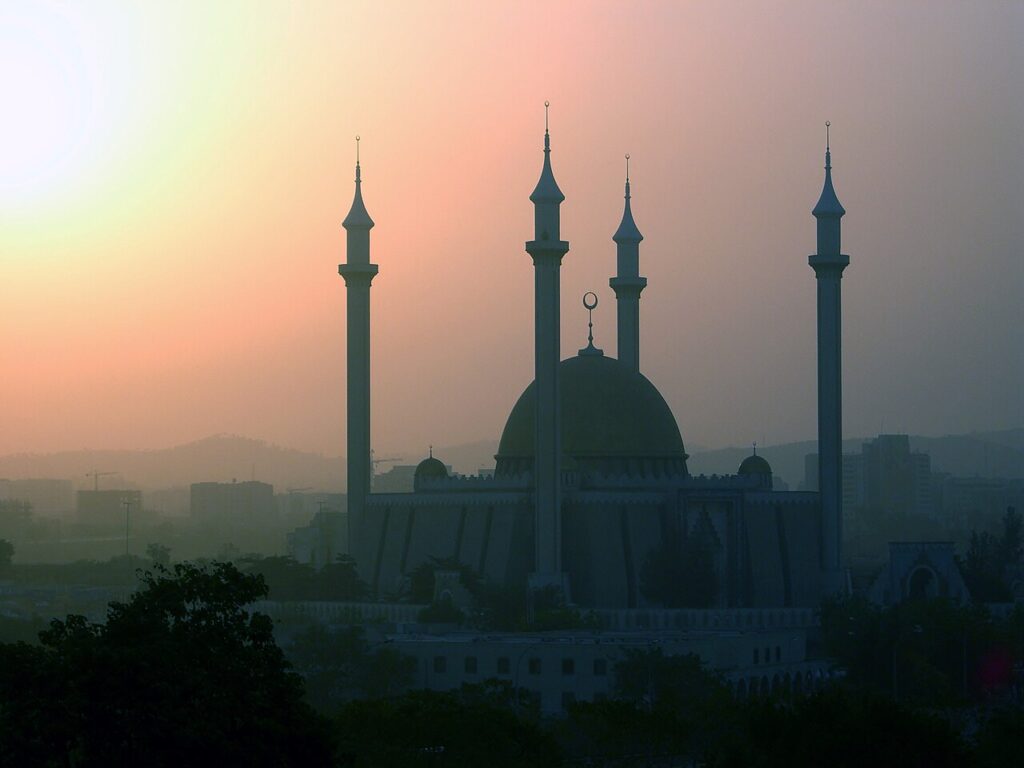
Nigeria is, by any measure, one of the most religious countries on earth. Church steeples and mosque minarets define the skyline of every city. The name of God is invoked before government meetings, business transactions, and football matches. Nigerians do not merely practice religion — they wear it, perform it, and brandish it as identity. To be Nigerian is, in most social contexts, to be loudly, publicly, and demonstrably faithful.
Nigeria is also, by any honest measure, one of the most morally adrift societies on earth. Corruption is not an aberration; it is the operating system. Public officials loot with impunity while their constituents starve. The same politicians who open parliament with prayer award themselves unconscionable salaries and steal the rest. The prosperity gospel pastor who tells his congregation that poverty is a spiritual failure flies a private jet bought with their tithes. The political imam who invokes divine authority for ethnic chauvinism and personal ambition recites his prayers five times a day without apparent irony.
What Nigeria demonstrates, with a clarity almost too painful to look at directly, is the complete severance of religious identity from religious ethics. The badge has been separated from the behaviour. Wearing the badge — attending service, observing the fast, speaking the language of faith — has become sufficient. What the badge is supposed to represent — honesty, compassion, justice, the protection of the vulnerable — has become optional.
This is not unique to Nigeria. But Nigeria makes it vivid. A country of a hundred and fifty million believers, and the orphan still begs at the traffic light. The widow still loses her inheritance to her husband’s relatives in the name of tradition. The gay man is still lured into a hotel room, beaten, robbed, thrown from a window, and in some cases murdered openly — because a religious doctrine was interpreted to mean his life was forfeit. The badge. Always the badge. Rarely the behaviour.
Christianity in Nigeria has at least the inheritance of reformation — centuries of internal critique, schism, and theological renegotiation that, however imperfectly, created space for self-examination. Nigerian Islam has not yet been through that fire. This is not an indictment of Islam as a faith tradition, which contains within it some elements of intellectual and mystical streams of genuine beauty and moral seriousness. It is an observation about the specific political uses to which religion is put when it has not been forced to account for itself.
By Kenneth Eze