


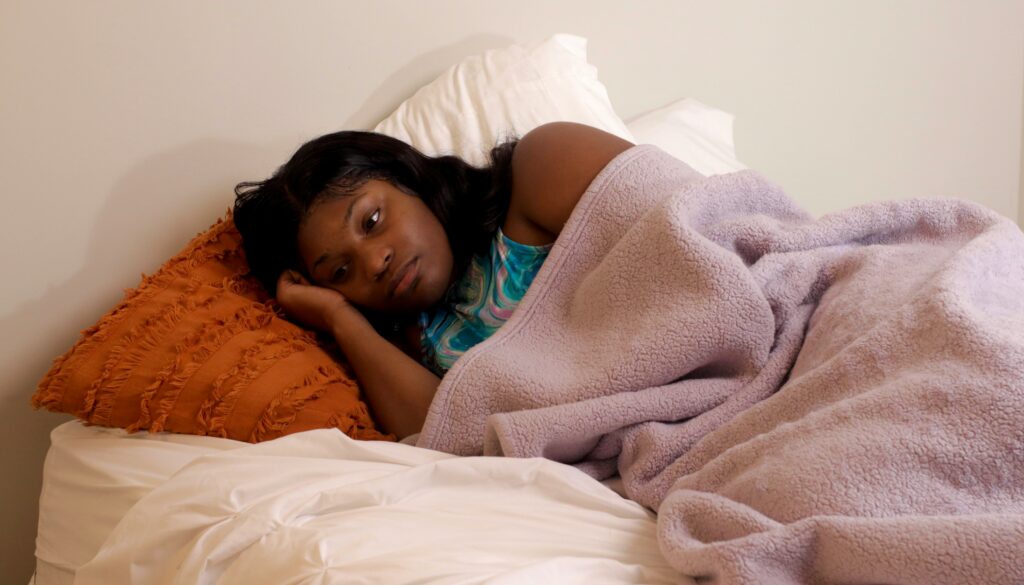
Mental health is a fundamental part of our overall well-being, yet it remains one of the least discussed aspects of women’s lives. Across cultures, people, societies and generations, women have been taught to stay strong, hold families together, and put others first — often at the detriment of their own spiritual needs, physical appearance and emotional health.
From one generation to another, millions of women go about with smiles on their faces. But behind the smiles lies broken souls, exhaustion, anxiety, depression, and trauma. All hidden beneath a pyramid of responsibility, an extended or nuclear family, and societal expectation.
It is time to break the silence and bring women’s mental health to the forefront of public discourse.
The invisible struggles
Consider the girl child confronting puberty and the need to maintain a body image. The single lady struggling to meet societal expectations – like getting married and making babies. The working mother balancing endless responsibilities at home and workplace. The elderly woman battling loneliness. These challenges are enormously rooted in different shades.
Women are more likely than men to experience anxiety disorder and depression. Yet they are less likely to seek or receive proper treatment. Hormonal changes, gender-based violence, iniquity at the workplace, and societal expectations all affect women’s mental health.
Due to cultural and social stigmatization, women learn to internalize pain – in case they are told that they are “too emotional” or “overreacting.” This silence often causes isolation leading to mental breakdown.
Why women’s mental health matters
A woman’s mental health affects not only her but also her family, community, and society. When women are mentally healthy, they nurture better relationships, raise emotionally balanced children, and contribute meaningfully to the wellbeing of those around them.
Conversely, when women’s mental health is neglected, the ripple effects are profound – strained relationships, reduced productivity, and a generational cycle of dysfunctional families.
Therefore, making women’s mental health a topic of concern is not just an act of compassion. It is an investment in the emotional stability and progress of entire communities.
Breaking down barriers and stigma
To support women’s mental health, we must first confront the barriers that hold women back:
• Stigma: women must be free to express vulnerability without fear of judgment.
• Access: mental health services should be affordable and accessible, especially in rural and underserved communities.
• Awareness: education on emotional wellness should be integrated into schools, workplaces, and healthcare systems.
• Support systems: safe spaces for women – such as therapy groups, community circles, or mentorship programs – help foster openness and healing.
The path to healing
Healing begins with awareness. Women should be encouraged to:
• Prioritize self-care and rest without guilt.
• Seek therapy or counselling when overwhelmed.
• Build support networks – friends, mentors, and communities that nurture wellbeing and spiritual growth.
• Embrace self-compassion: acknowledging as humans that “it’s okay not to be okay “.
Women are naturally both soft and strong. So society must also redefine what a woman’s strength is. Not as enduring pain silently, but as the courage to seek help and to heal.
Conclusion
Imagine a world where women’s mental health is not an afterthought, but a priority. A world where every woman, regardless of her background, can speak freely about her emotional struggles, access care, and find healing.
When women are mentally healthy, they uplift families, strengthen communities, and inspire innovation and change in both formal and informal sectors.
“When a woman is at peace, her world blossoms and so does everyone and everything in it.”
By Mary Moore